Latest in BusinessDay
Turning Nigerians from consumers into owners

Energy advisory · Research · Sustainability
Inspiring sustainable futures.
Olivia Energy is a strategic energy advisory, research and sustainability consultancy, committed to a cleaner, more secure and more inclusive energy future. We bring evidence-based solutions to governments, businesses, investors and development organisations.
Latest in BusinessDay
Turning Nigerians from consumers into owners
We exist to bridge these gaps.
The gaps, measured
Our work is driven by evidence and shaped by experience. Four numbers frame it: three gaps to close, and one sign of what closing them looks like.
people in Nigeria had no electricity in 2024, more than in any other country.
Each dot is one million people.
Source: Sustainable Energy for All, Tracking SDG7: The Energy Progress Report 2026. Retrieved 2 October 2026.
of Nigeria’s installed grid capacity was available, on average, in the first quarter of 2026: 4,458 MW of 13,625 MW.
Source: Nigerian Electricity Regulatory Commission, Quarterly Report, first quarter 2026. Retrieved 2 October 2026.
Africa’s share of global clean energy investment in 2025, against 20% of the world’s population (IEA estimate).
Source: International Energy Agency, World Energy Investment 2025. Retrieved 2 October 2026.
Nigeria’s petroleum product exports rose about sevenfold after the Dangote refinery opened: from 46,000 barrels a day in 2023 to 350,000 in the second quarter of 2026.
Source: U.S. Energy Information Administration, Today in Energy, 24 August 2026 (data: Vortexa). Retrieved 2 October 2026.
Share of people with electricity, 2000 to 2024
2024: Nigeria 62.5%, sub-Saharan Africa 55.1%, world 91.9%
Nigeria has raised access from 43.2% to 62.5% since 2000, ahead of the sub-Saharan average of 55.1%. The world stands at 91.9%: a gap of 29.4 points still to bridge.
Source: World Bank, World Development Indicators (EG.ELC.ACCS.ZS), CC BY 4.0. Retrieved 2 October 2026.
| Year | World | Nigeria | Sub-Saharan Africa |
|---|---|---|---|
| 2000 | 78.2% | 43.2% | 25.7% |
| 2001 | 78.7% | 43.9% | 26.2% |
| 2002 | 79.1% | 44.6% | 27.3% |
| 2003 | 80.0% | 52.2% | 29.6% |
| 2004 | 80.0% | 46.1% | 29.4% |
| 2005 | 80.7% | 46.8% | 29.4% |
| 2006 | 81.4% | 47.6% | 31.2% |
| 2007 | 82.0% | 50.1% | 32.5% |
| 2008 | 82.7% | 50.3% | 32.4% |
| 2009 | 82.9% | 50.0% | 32.6% |
| 2010 | 83.5% | 48.0% | 33.3% |
| 2011 | 84.5% | 55.9% | 35.9% |
| 2012 | 84.9% | 53.0% | 36.8% |
| 2013 | 85.7% | 55.6% | 38.0% |
| 2014 | 86.2% | 54.2% | 38.4% |
| 2015 | 86.9% | 52.5% | 39.2% |
| 2016 | 88.1% | 59.3% | 43.8% |
| 2017 | 88.9% | 54.4% | 43.8% |
| 2018 | 89.8% | 56.5% | 46.4% |
| 2019 | 90.1% | 55.4% | 47.2% |
| 2020 | 90.4% | 55.4% | 48.5% |
| 2021 | 91.3% | 59.5% | 50.7% |
| 2022 | 91.3% | 60.5% | 51.5% |
| 2023 | 91.6% | 61.2% | 53.3% |
| 2024 | 91.9% | 62.5% | 55.1% |
What we do
From policy advisory and ESG strategy to market intelligence and capacity building, we help governments, businesses, investors and development partners make informed decisions that shape a cleaner, more resilient energy future.
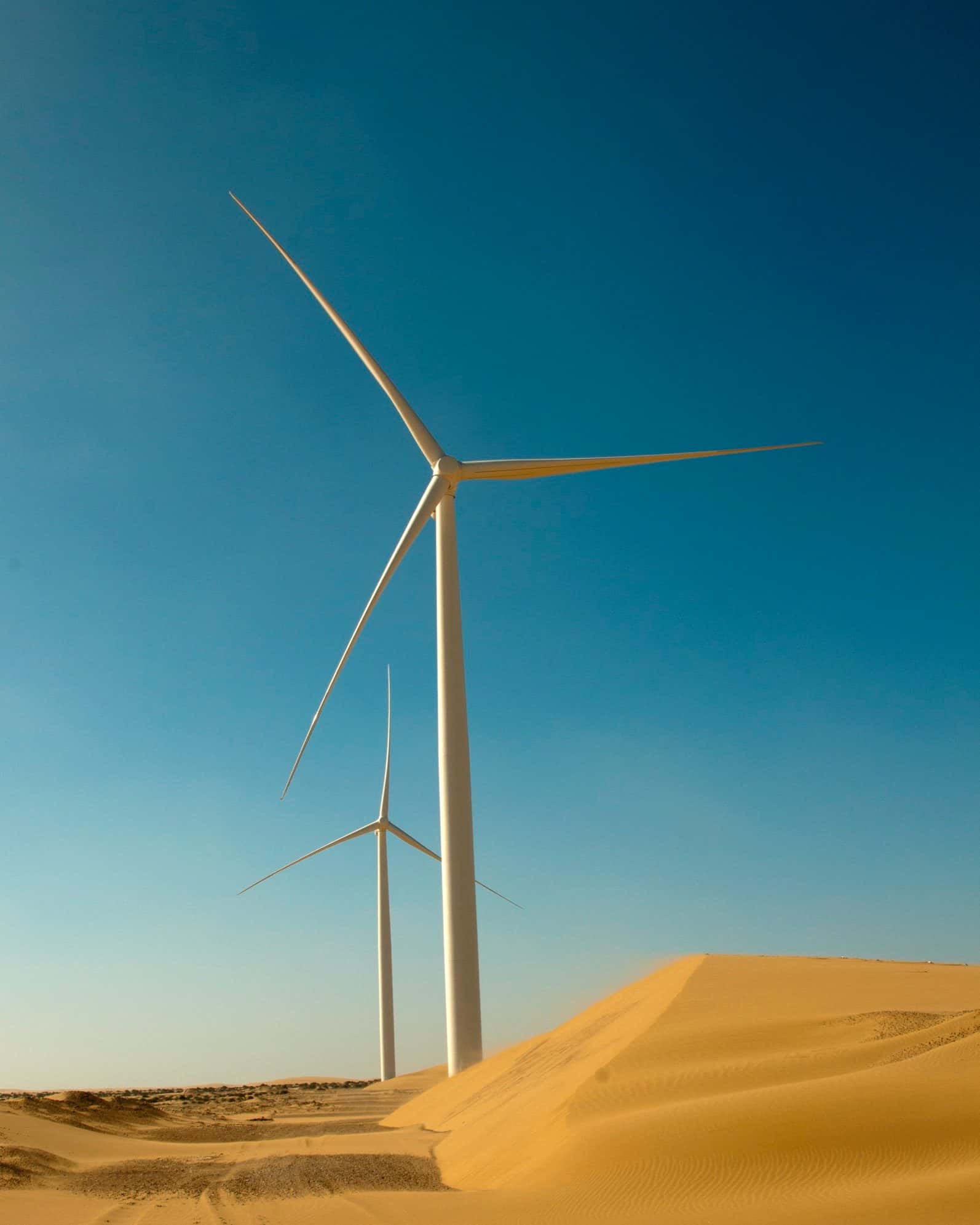
Tarfaya Wind Farm, Morocco. Photo: TEDxTarfaya, CC BY-SA 2.0
Net-zero strategies, decarbonisation roadmaps and transition plans, with renewable integration and climate resilience built in.
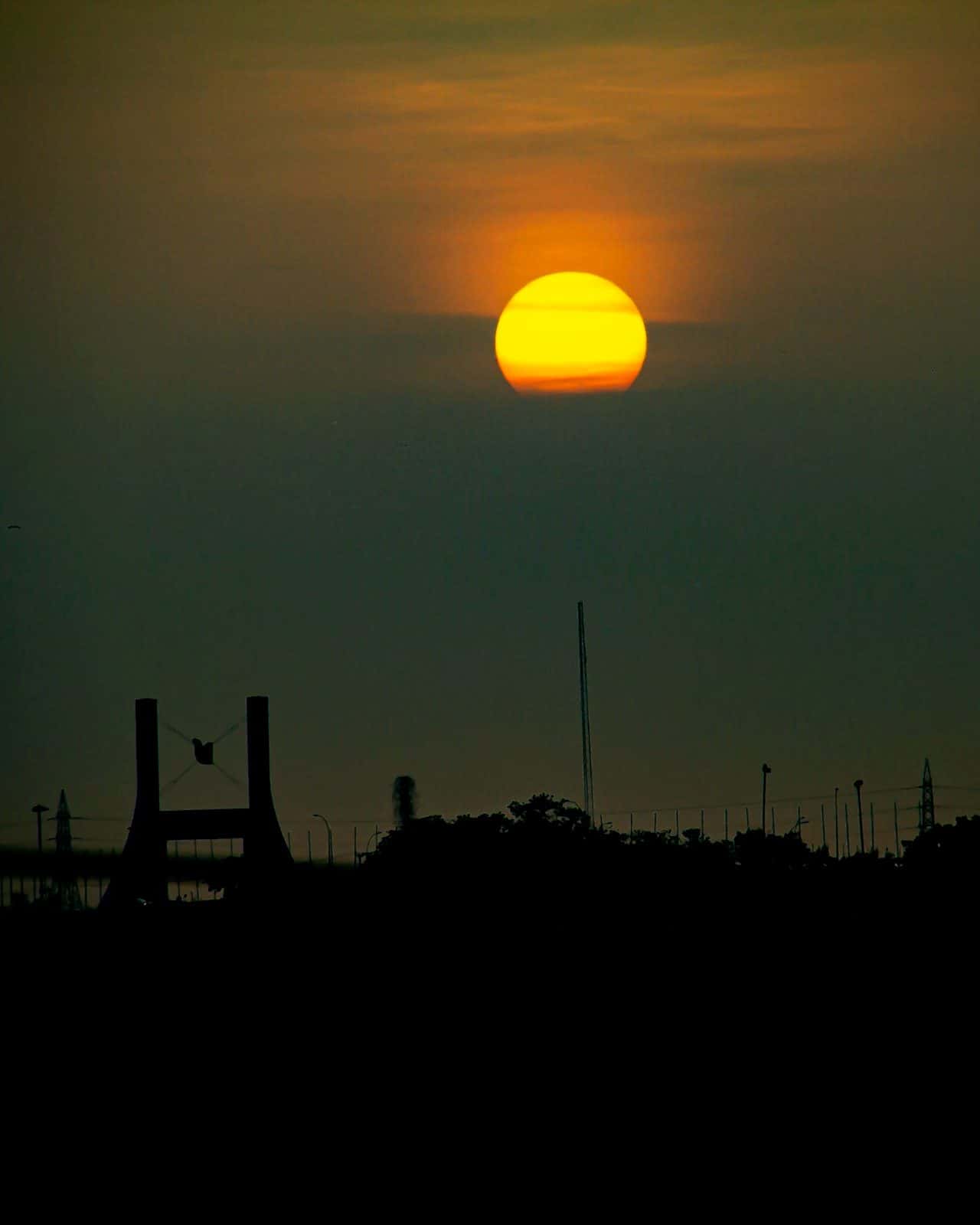
City Gate, Abuja, at sunset. Photo: Baqeer Gashua, Unsplash
Energy market analysis, regulatory advice, economic impact studies, tariff analysis and policy development.
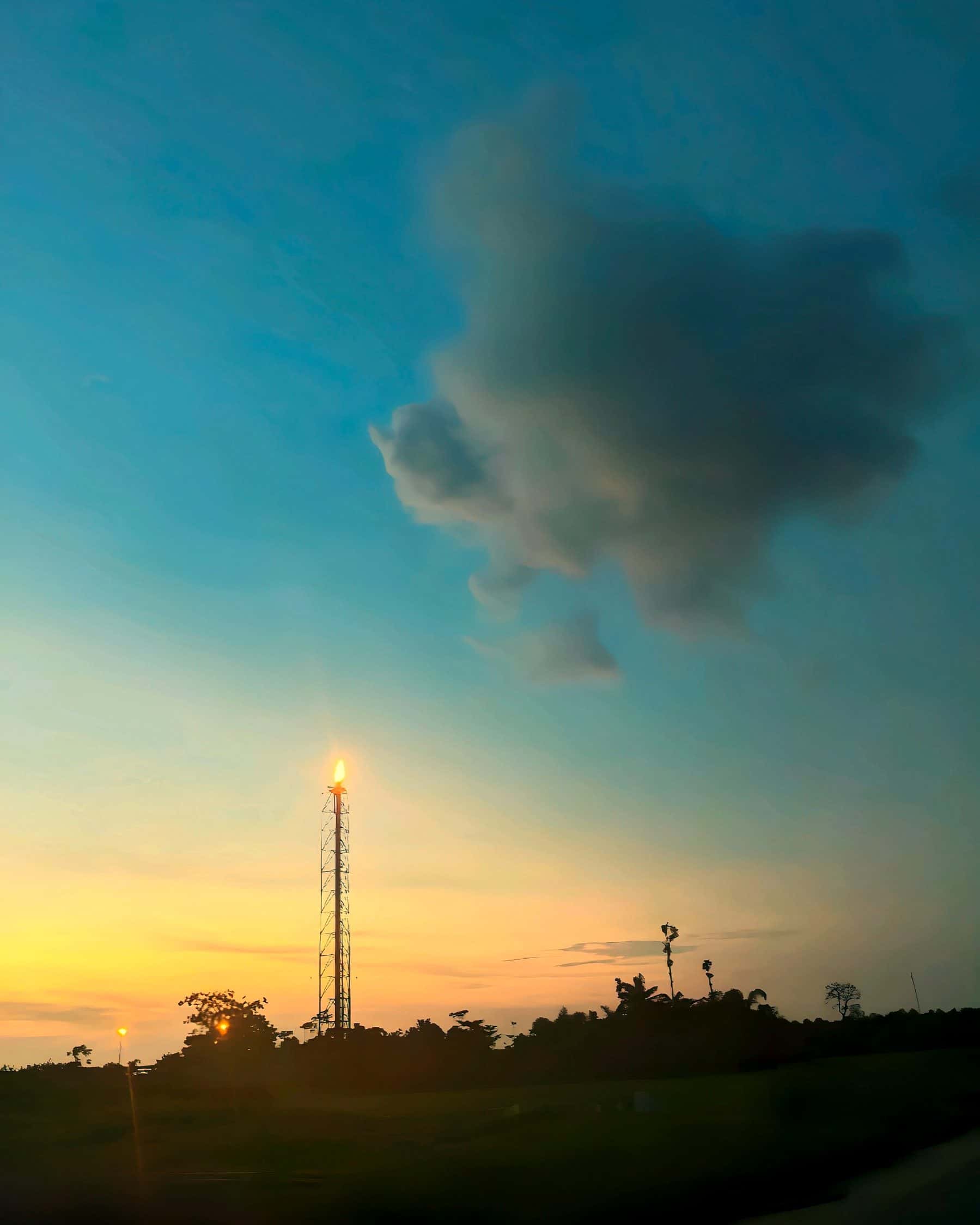
Gas flare at Obunagha, Bayelsa State, at dawn. Photo: OgbuefiPascal, CC BY-SA 4.0
ESG strategy and reporting, materiality assessments, sustainability reporting and carbon management.

Street market, Lagos, from above. Photo: Fahd Aminu, Unsplash
Market intelligence, industry reports, feasibility studies, data analytics and scenario modelling.
Lecture hall. Photo: Henry Storck, Unsplash
Executive training, energy transition workshops, ESG education, leadership development and public policy seminars.
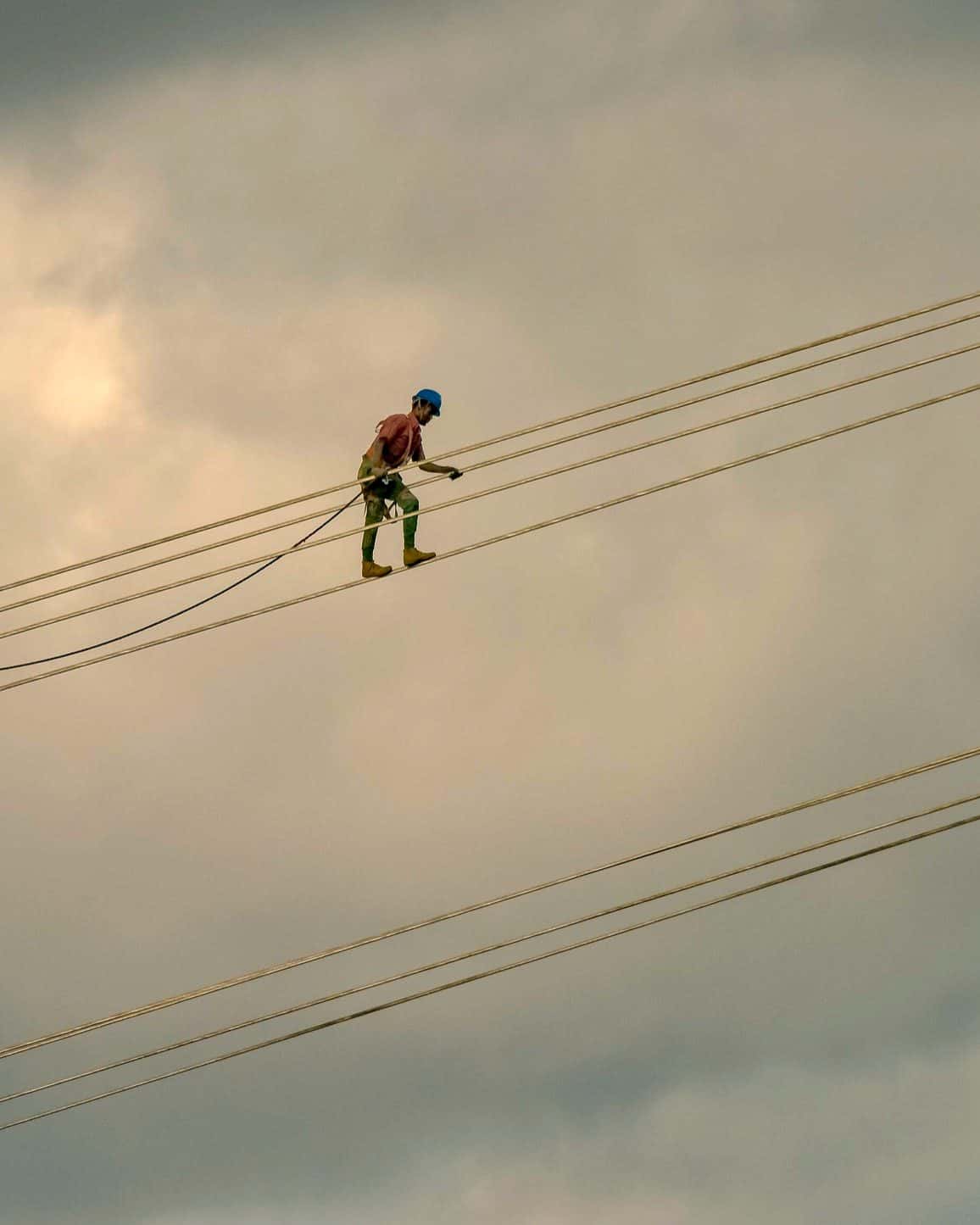
A lineman on the Ethiopia to Kenya interconnector, Ethiopia. Photo: Rod Waddington, CC BY-SA 2.0
Project and programme management, stakeholder engagement, risk management, and monitoring and evaluation.
Who we serve
Our advice is built for four kinds of institution, from energy ministries and regulators to investors, development partners and research institutes.
01
02
03
04
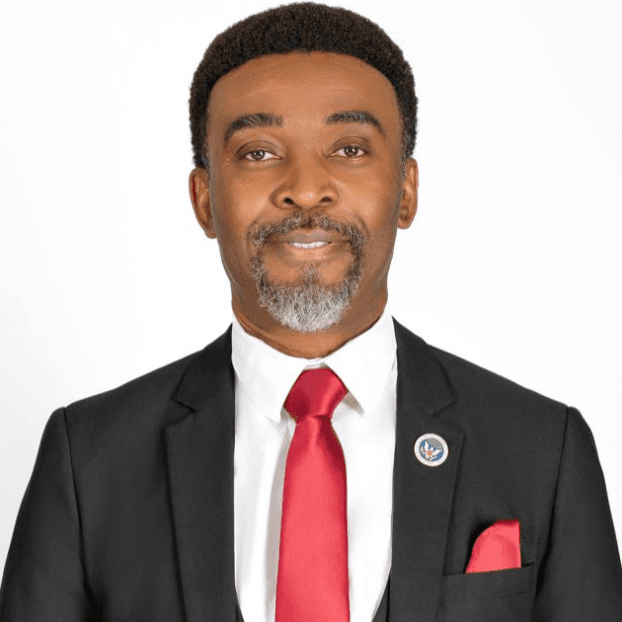
Our founder
Founder/CEO, Olivia Energy · Energy economist
PhD in Economics, Master of Public Service, Executive MBA, Project Management Professional and Certified ScrumMaster.
An energy economist who bridges industry, academia and public policy. He holds a PhD in Economics from Covenant University, a Master of Public Service from the Clinton School of Public Service and an executive MBA from Lagos Business School, and he writes on energy security, the Dangote refinery and the energy transition for BusinessDay.
Commentary
Dr Olaoye writes on energy security, the Dangote refinery and the energy transition: eleven op-eds since June 2025, and quoted as an energy economist in twelve BusinessDay reports.
11 op-eds · quoted in 12 BusinessDay reports
All commentaryNations that fail to refine what they produce will always import the consequences of global instability.
Olivia Energy Insights is building a library of:
We believe